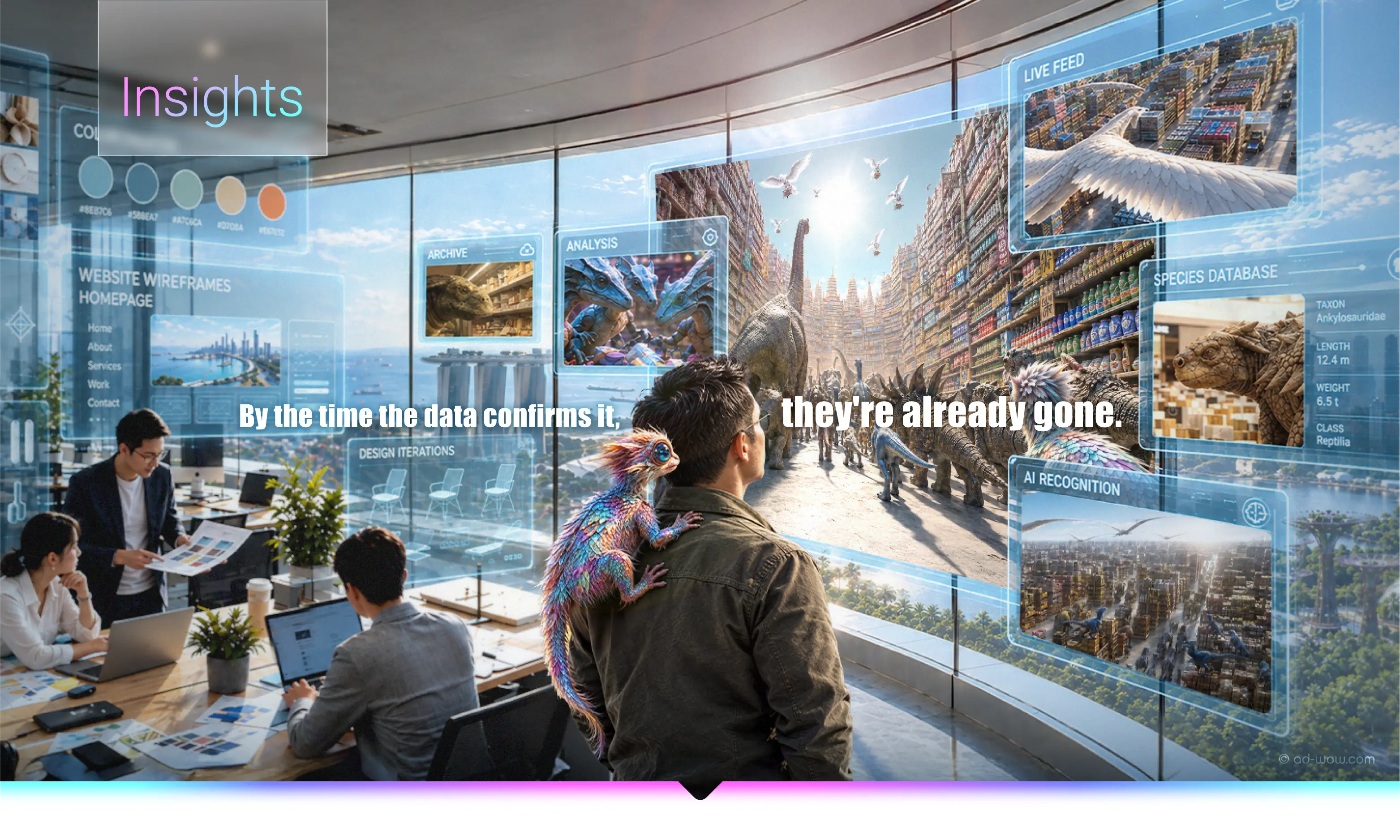
A herd doesn’t move all at once.
It starts with one. A single creature shifts direction — barely noticeable, easy to miss if we blink. Then two more follow. Then, without anyone quite marking the moment it happened, the whole herd has turned, and the ground we were standing on a season ago is suddenly empty.
Most hunters only notice the herd has moved once it's already gone.
The harder, more valuable question is what makes it move — and whether we can read the signal before the trail goes cold.
(Small confession: this article took longer to write than the last one. Not because the thinking was hard — because every time I described a herd "scattering," I kept picturing actual campaigns, actual mornings checking the numbers and going "...wait, where did everyone go." Some of these stories never quite leave you.)

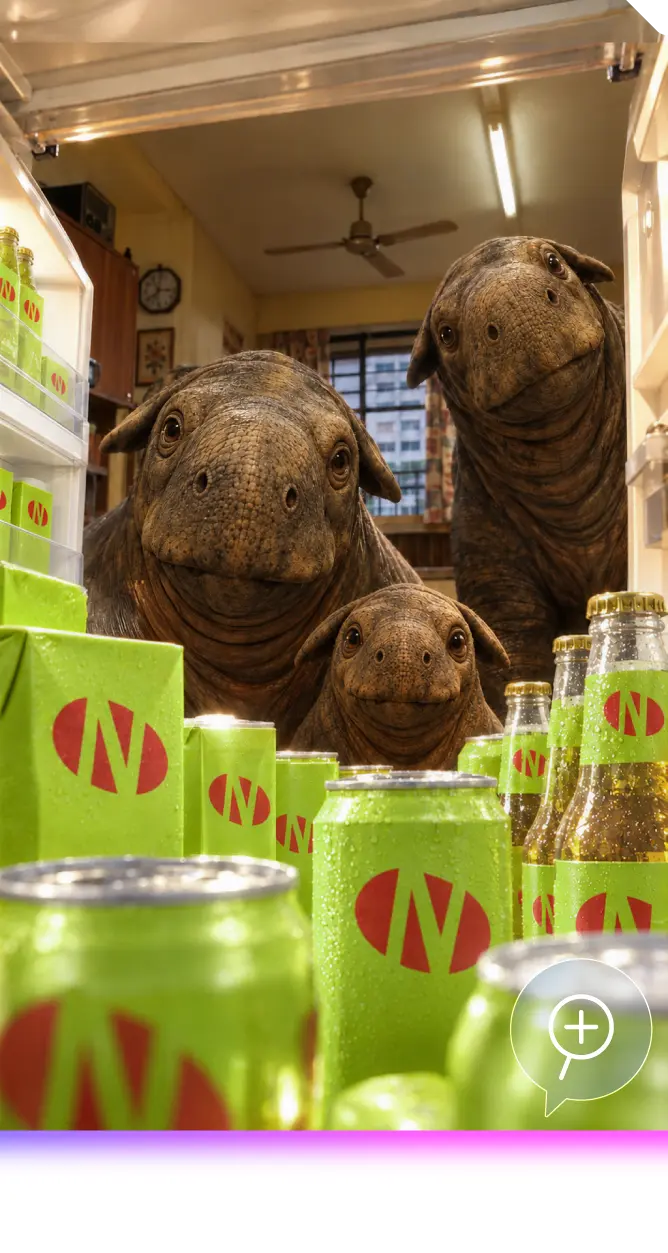
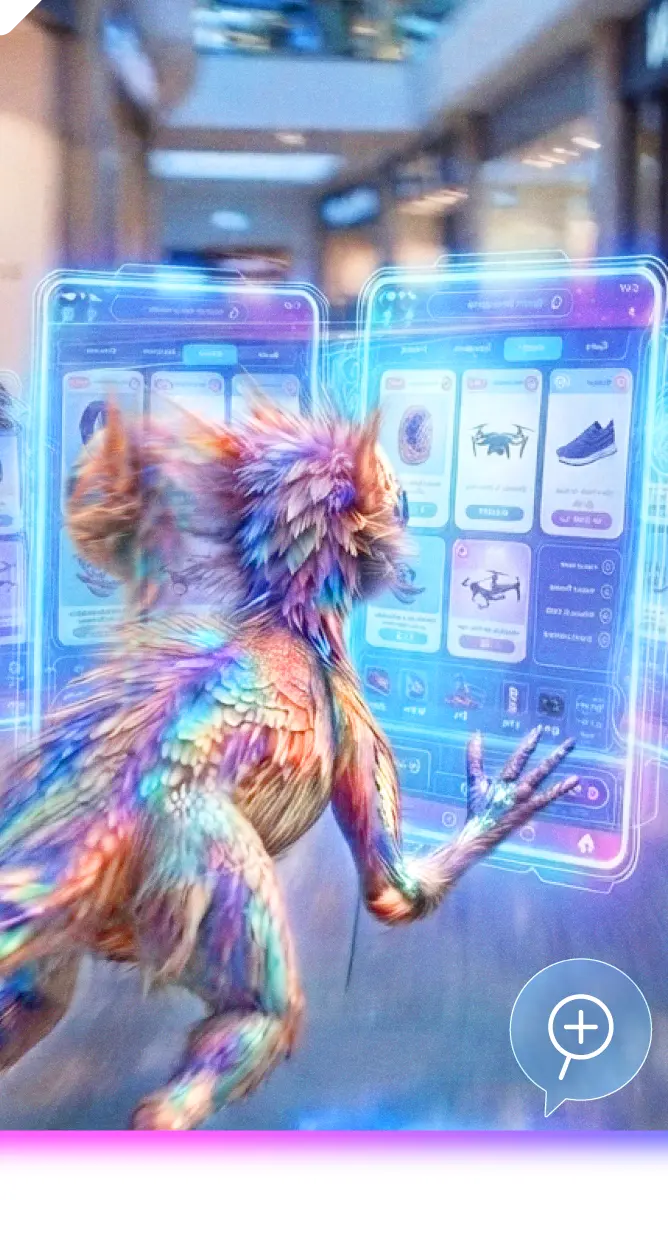
Four very different migrations. Four very different creatures. Which one is moving right now — and would we know it if it already started?
 |
 |
 |
 |
AI is genuinely useful here — it can clock the drift, flag the spike, notice a pattern shift faster than any hunter scanning a spreadsheet ever could.
What it struggles with is the why underneath the movement — whether the Quiet Loyalist is drifting from fatigue, whether the Restless Wanderer borrowed a rival's path, or whether the Silent Watcher is already circling for a seasonal convergence nobody logged yet.
The data shows the herd moved. It rarely tells us which of the four migrations it was.
Reading that difference — before deciding how to respond — is where time spent in this terrain starts to matter more than the tool doing the tracking.

Every hunter tracks the herd differently. Most fall into one of these:
Closest to the territory, sometimes too close to notice the drift until the numbers confirm it weeks later.
Useful for pattern recognition, occasionally arriving just after the migration already peaked.
Fast, broad, excellent at flagging the footprint. Still learning to explain what made it.
None of these is wrong. Each one just has a moment where its particular blind spot surfaces — usually exactly when the herd is moving fastest.
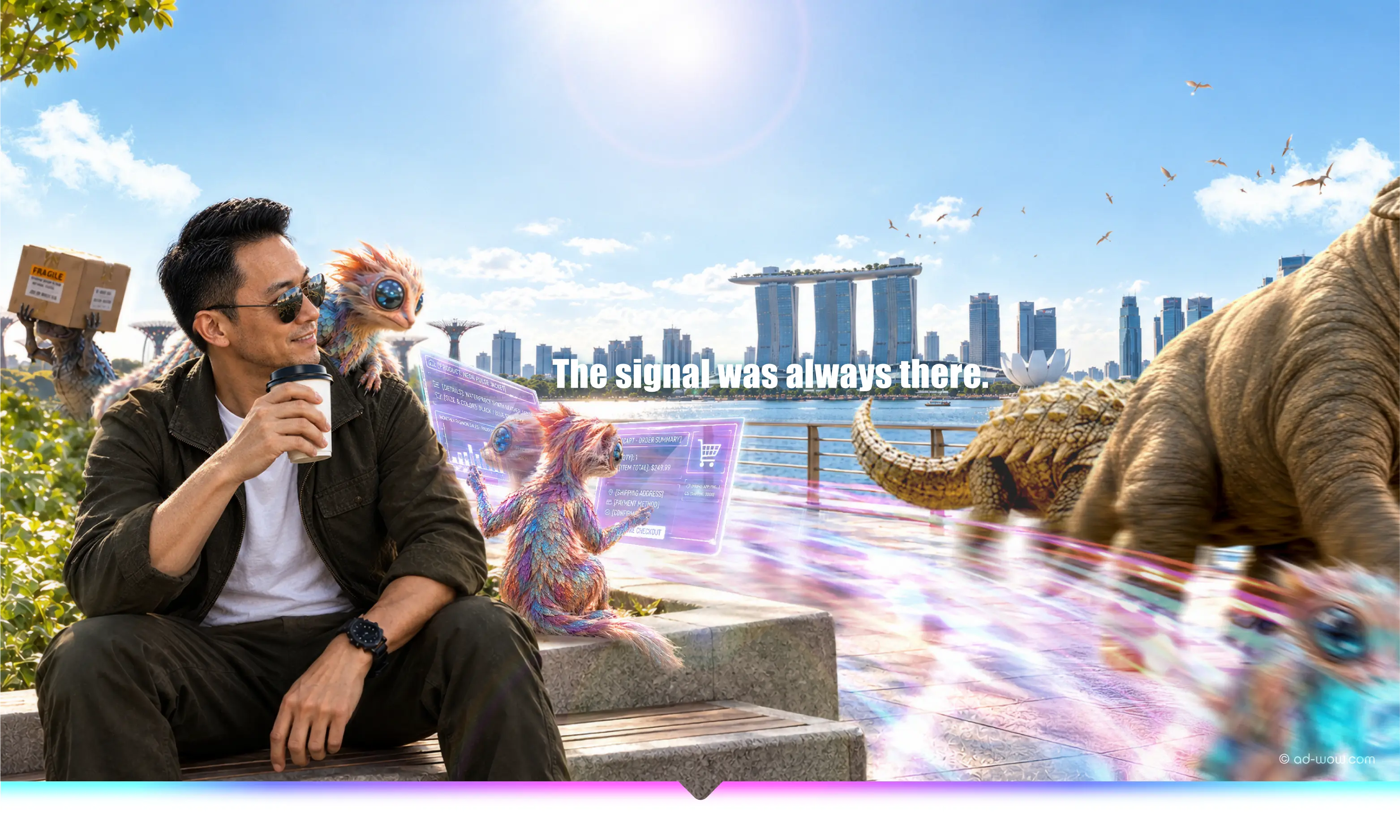
Every migration leaves a trail. Reading it correctly — before the herd is already somewhere else — is what separates a good hunt from a great one. If you'd like a ranger who's tracked a few of these before, we'd enjoy the walk.

The Observation Stays Open
Every herd writes its own migration pattern, season after season. Some of these four will look familiar. Others will combine in ways no observation has logged yet.
If a migration's been spotted that doesn't fit neatly into these four — let us know. The market keeps writing new chapters, and we’d rather hear about it from someone watching firsthand.
Knowing why a herd moves is one thing. But the same creature doesn't move the same way everywhere — a Quiet Loyalist tame in one market can be almost unrecognisable in another.
The next note crosses the border.
Next >
Jurassic Market™ | Territory Note: Why The Same Consumer Behaves Differently Across Markets
These perspectives are informed by decades of experience helping brands remain relevant, distinctive and meaningful through changing markets, technologies and consumer expectations. Part of the ADWOW Insights series exploring branding, consumer behaviour and strategic differentiation in the AI era. Jurassic Market™ is an original ADWOW framework. © ADWOW Pte Ltd. All rights reserved.